
Document
We gather testimony, court records, images and data, and keep them securely.
Every empty chair has a name.
Before a person becomes a case number, they belong to someone.
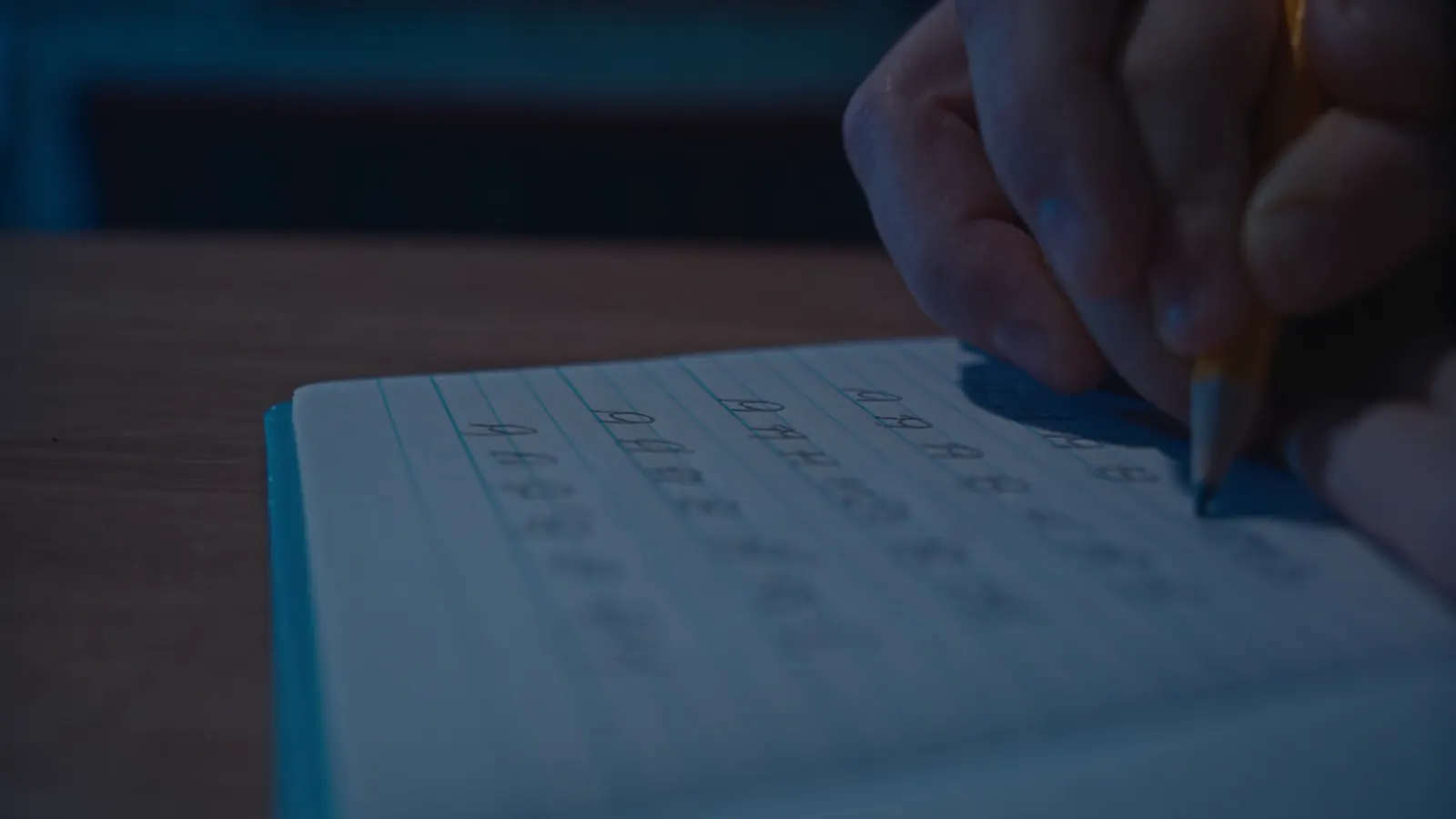
He helped his little brother write in the language they spoke at home.
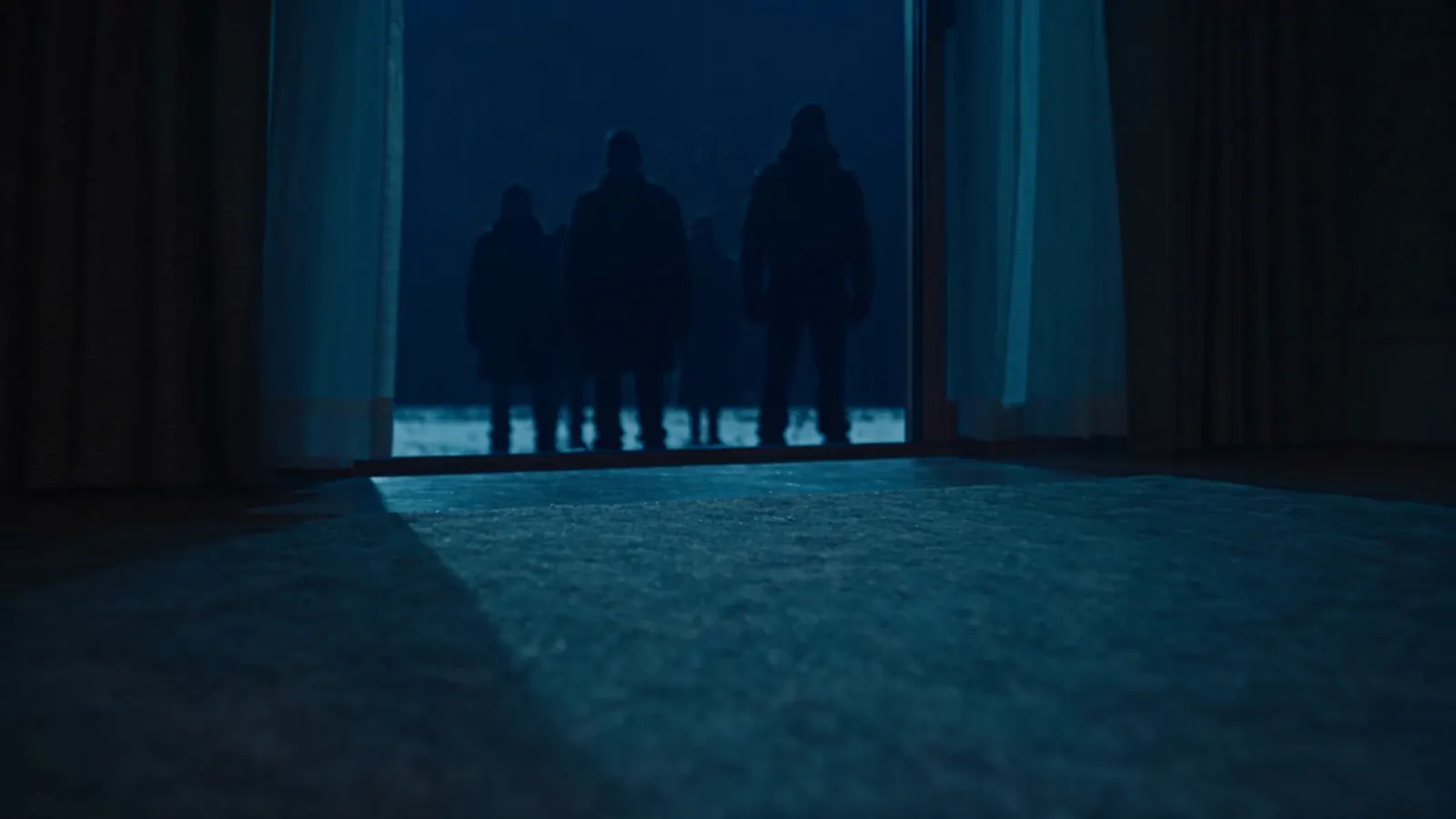
At 02:10, the door opened.
At 02:14, his chair was empty.
Where was he taken?
Who would answer?
The first day, she waited for an answer.
Then another.
Absence has a calendar.
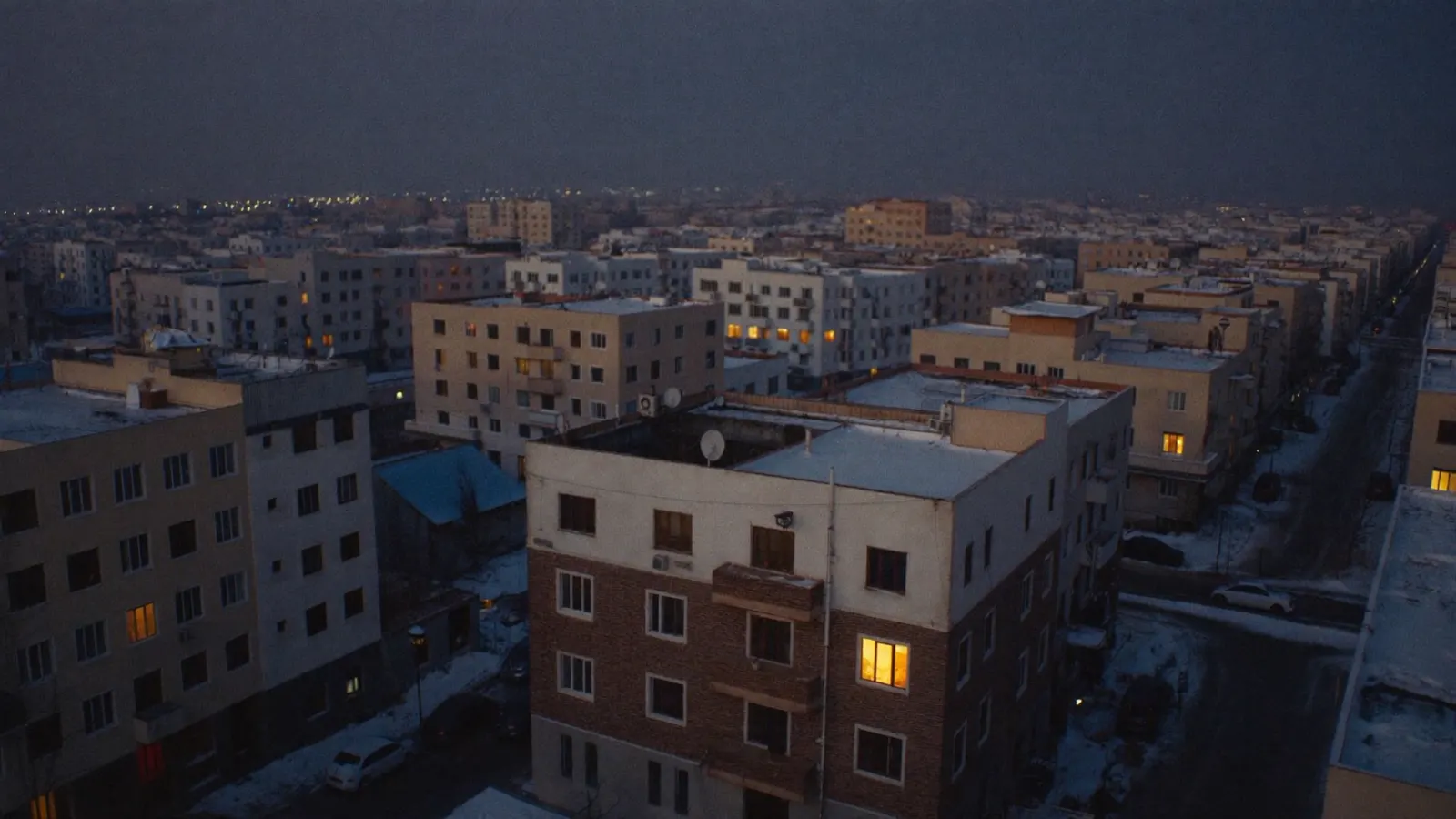
Dams changed its rivers. Water was diverted.
South Azerbaijan watched its lake being deliberately dried.
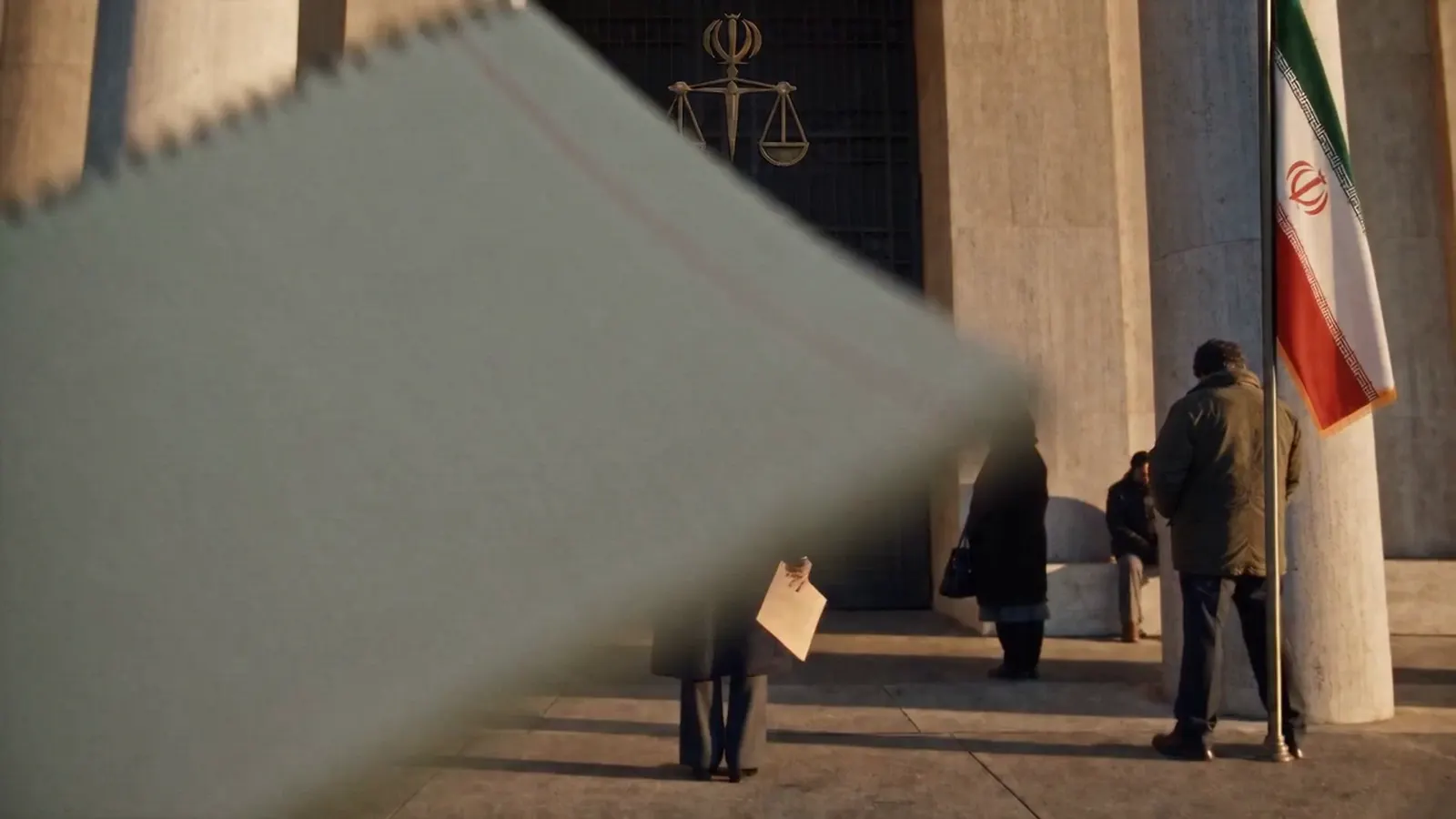
And when people protested, many were arrested.
104 days later.
His place is still waiting for him.
Stand with the people whose stories must not disappear.
Illustrative composite. The characters shown here are fictional. The human-rights patterns represented in this film are documented through independent reporting, testimony and research.
The film above is an illustrative composite. What follows documents the rights issues, cases, testimony and environmental evidence behind it.
Our work is organised around the rights most often denied in South Azerbaijan. Each is protected by treaties Iran has signed and by Iran's own constitution.
Prisoners of conscience and the right to a fair trial.
Activists, teachers, writers and students from South Azerbaijan are detained for peaceful expression, often after trials that fall far short of international standards.
Equality in law, safety in life, freedom in choice.
Women in South Azerbaijan face discrimination twice over: in laws that treat them unequally, and in policies that deny their language and identity.
A childhood in their own language, free from harm.
Azerbaijani children in Iran are taught to read and write in a language most of them do not speak at home. Many face early marriage, child labour and poverty.
Lake Urmia, the Arasbaran forests, clean air and water.
The collapse of Lake Urmia is a human rights crisis. Salt storms, failing farms and forced migration are the consequences of decisions made without the people who live there.
The right to learn, publish and live in Azerbaijani.
Azerbaijani Turkish is the first language of millions of people in Iran, yet it is absent from classrooms, courts and public administration.
The freedom to speak, gather and be connected.
Peaceful protest, online speech and even chants at a football stadium can lead to arrest. Internet shutdowns cut the region off at the moments it most needs to be heard.
Fair access to work, services and development.
Equal rights mean equal opportunity: to work, to health care, to a fair share of public investment, without discrimination based on ethnicity or language.
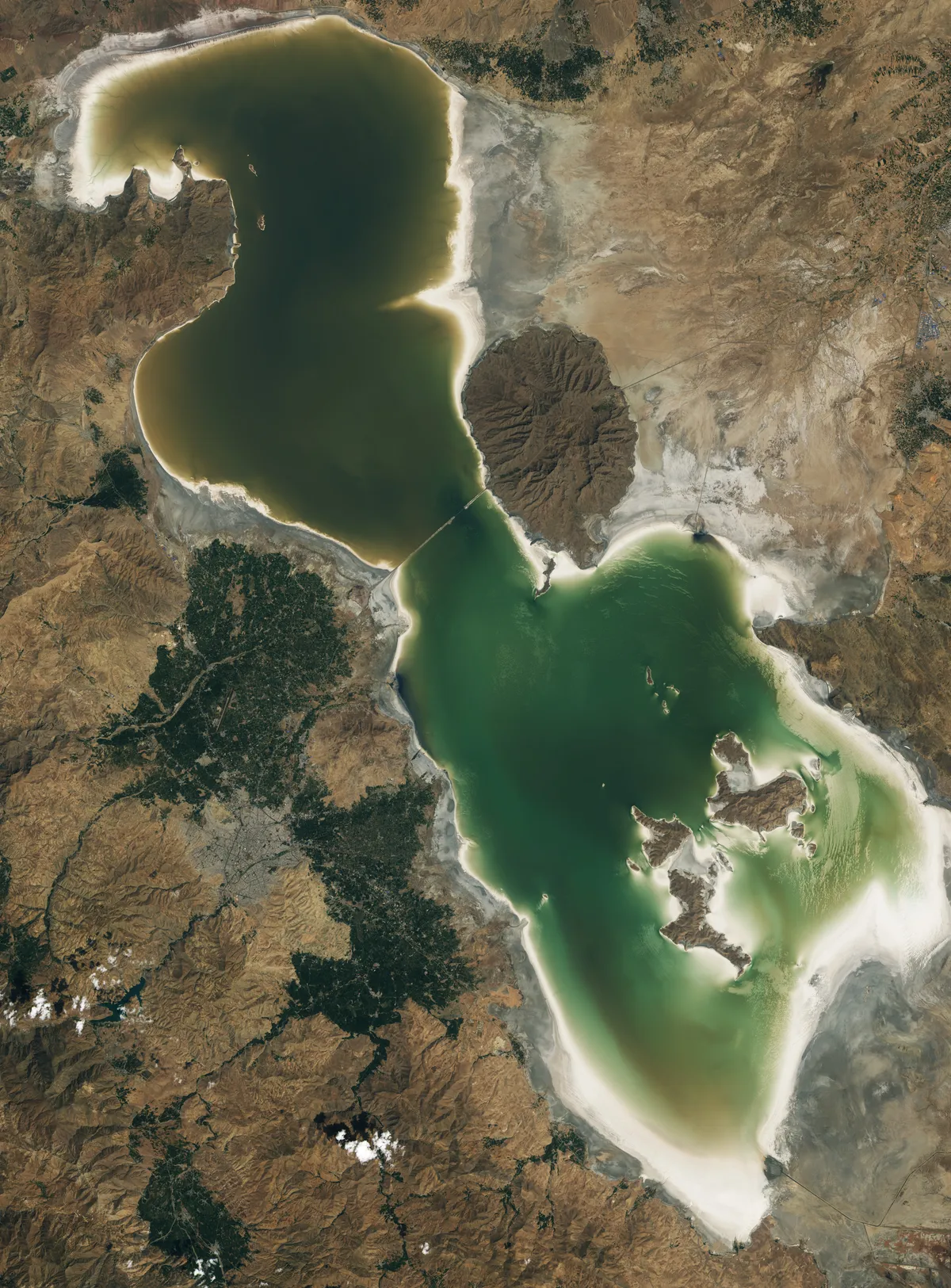
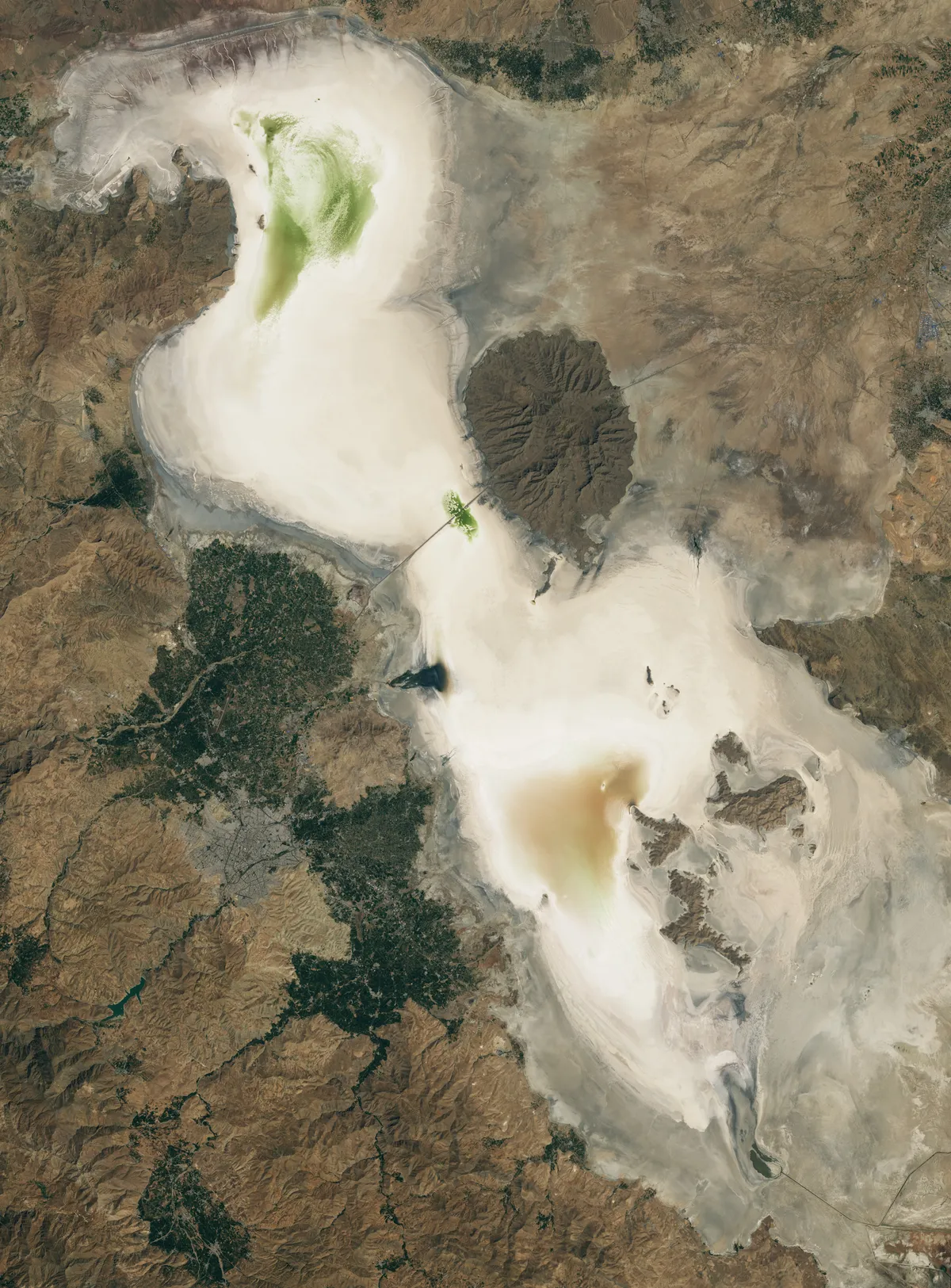
6 September 2020
Lake Urmia was one of the largest saltwater lakes on Earth.
Since the mid-1990s it has lost most of its surface. Dams, diversions and neglect did what drought alone could not.
Salt storms now rise from the dry bed and settle on the farms, towns and lungs of the region.
A healthy environment is a human right. So is the right to be heard when it is taken away.
Environmental rightsLake Van, in eastern Turkey, sits in a similar climate a few hundred kilometres away. Between 2000 and 2016 its surface stayed relatively stable while Lake Urmia's shrank, and a peer-reviewed paired-watershed study identifies dam construction, river diversion and irrigation expansion as the main drivers of the difference.
In August and September 2011, Human Rights Watch reported that several hundred protesters and activists were arrested in Tabriz, Urmia and other cities during demonstrations against policies they believed were accelerating the lake's destruction.
Our position
We hold that successive Iranian governments knowingly pursued water policies that destroyed Lake Urmia and harmed the Azerbaijani communities around it, and that the people of the region were denied any meaningful voice in those decisions.
Sources: Remote Sensing (2022), Urmia–Van paired watersheds · IIASA, Urmia inflow attribution · Human Rights Watch (2011) · USGS / NASA Landsat
Careful, independent, and relentless. Every claim we publish can be traced to its evidence.
We gather testimony, court records, images and data, and keep them securely.
Every case is corroborated from independent sources before we publish a word.
We bring the evidence to the United Nations, to governments, to journalists and to the public.
We connect people at risk and their families with legal, medical and practical support.
We keep an archive so that no violation disappears simply because time has passed.
One signature, one message, one shared report can be the difference between a name that is forgotten and a person who is freed.